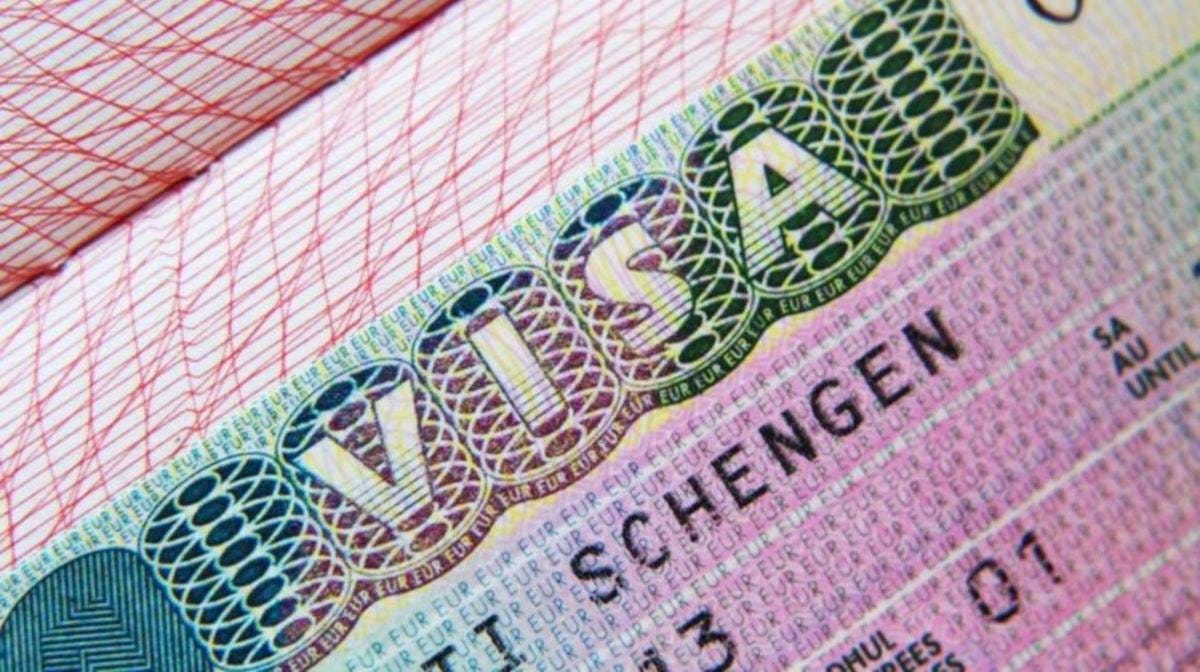
The Iceland new visa act 2026 is a shocking shake-up of Schengen short-stay visa rules and matters even to Indian students planning Europe travel or study trips. Iceland’s parliament has approved a fresh Visa Act that updates how short-stay Schengen visas are processed, decided, and enforced. Here is the smart breakdown of what changes, who is affected, and what Indian applicants must do now.
Table of Contents
- What Is the Iceland New Visa Act 2026?
- How Schengen Short-Stay Rules Change
- Impact on Indian Travellers and Students
- Visa Processing and Decision Timelines
- Border Security and Data Sharing
- Key Takeaways
- Smart Action Plan for Applicants
- FAQs
What Is the Iceland New Visa Act 2026?
The Iceland new visa act 2026 is a law passed by Iceland’s parliament to modernise the country’s short-stay Schengen visa framework. It replaces older legal provisions and aligns Iceland fully with current EU Schengen rules. The act covers how visa applications are filed, decided, refused, appealed, and recorded.
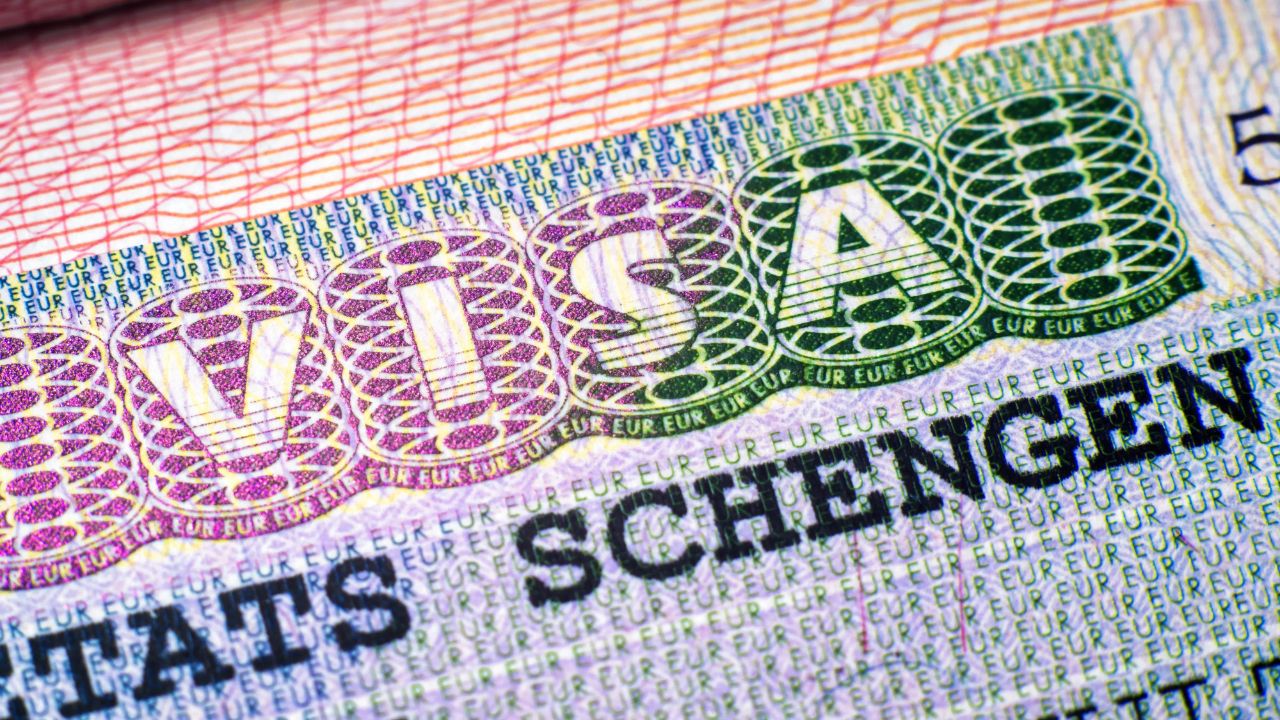
The law applies to Type C Schengen visas valid for up to 90 days inside any 180-day period. Iceland is a Schengen member but not an EU member, so its visa laws must mirror EU regulations. The reform finally puts Iceland in step with the rest of the Schengen bloc.
How Schengen Short-Stay Rules Change Under the Iceland New Visa Act 2026
The act introduces several essential updates that all Indian applicants should know:
- Clear statutory grounds for visa refusal and revocation in line with EU Visa Code.
- Stronger right to appeal a refused short-stay Schengen visa.
- Updated rules for collecting biometric data during application.
- Tighter integration with the EU Entry/Exit System (EES) and ETIAS.
- New fraud and document-check protocols for Iceland missions abroad.
The Government of Iceland says the goal is faster, fairer, and more secure visa processing. The official text and explanatory notes are published by Iceland’s government portal and align with the wider EU Schengen policy.
Impact on Indian Travellers and Students
India is one of the top non-EU sources of Schengen short-stay applicants. Under the Iceland new visa act 2026, Indian travellers will see clearer refusal reasons, stronger appeal rights, and standardised processing. Students attending short courses, summer schools, or conferences in Iceland or other Schengen states benefit the most.
Indian parents funding their child’s short course or summer school in Europe should also keep clear bank statements for the last six months. Sponsors must be ready to show a relationship proof, a sponsorship letter, and stable income. These small steps make approval far more likely.
| Applicant Type | What Changes | Why It Matters |
|---|---|---|
| Tourists | Clearer refusal letters, appeal rights | Fewer arbitrary rejections |
| Students (short courses) | Faster Schengen Type C processing | Easier to attend Europe programs |
| Business visitors | Standard EES/ETIAS integration | Smoother border entry |
| Family visitors | Clear sponsor and proof rules | Lower risk of refusal |
For Indian families and parents, the Iceland new visa act 2026 also means more transparency. You will know exactly why a visa was refused and how to appeal it within the EU framework.
Visa Processing and Decision Timelines

Under the act, the standard decision time stays at 15 calendar days for most Type C Schengen visa applications. Complex cases may extend to 45 days. Iceland’s missions must now log every decision in a structured way that matches the EU Visa Information System (VIS).
Applicants get a written refusal with reasons and an appeal route, as confirmed by Reuters Europe. The act also creates a digital-first track that may speed up future processing for repeat travellers with clean records.
Border Security and Data Sharing
The Iceland new visa act 2026 also strengthens border checks. Iceland will share more data with Schengen partners under the EU Entry/Exit System and ETIAS. Biometric collection rules are now spelled out clearly in law. Officers can also flag suspicious documents and refer cases for fraud investigation faster.
Iceland’s missions abroad will also publish updated checklists for each visa category. Applicants should always download the latest version before filing. Outdated documents are one of the top reasons for refusal under the previous framework. The reform aims to remove this confusion completely.
This will not block genuine Indian travellers. It mainly targets organised visa fraud, fake invitation letters, and identity misuse. Honest applicants with strong documents will still pass smoothly.
Key Takeaways: Iceland New Visa Act 2026
- The Iceland new visa act 2026 modernises Schengen short-stay visa rules.
- Standard decision time stays at 15 days, complex cases up to 45 days.
- Refusal letters must include reasons and a clear appeal route.
- Stronger data sharing with EES, ETIAS, and the EU Visa Information System.
- Genuine Indian applicants benefit from fairer and clearer processing.
Travel agents and unverified middlemen often promise quick visas. Avoid them under the reformed system because all decisions now follow strict EU-aligned procedures, and fake documents are flagged faster than ever before. A clean, honest file is the safest path forward.
Smart Action Plan for Applicants

Here is a proven action plan to handle the Iceland new visa act 2026 with confidence:
- Apply at least 6–8 weeks before your travel date.
- Use the official Iceland or VFS appointment system only.
- Carry strong proof of funds, accommodation, and travel insurance worth €30,000.
- Keep flight bookings, hotel reservations, and invitation letters consistent.
- If refused, file an appeal within the deadline mentioned in the letter.
- Speak with a licensed consultant before applying. The Masters Visa team can review your Schengen file for free.
For broader country and study guides, see our visa services, study abroad, and blog sections.
Need Help With the Iceland New Visa Act 2026?
Get a free Schengen visa file audit and a smart Europe travel plan built around the new Iceland rules. Masters Visa helps Indian applicants avoid costly refusals and apply with confidence.
FAQs on Iceland New Visa Act 2026
When does the Iceland new visa act 2026 take effect?
The act comes into force after publication in Iceland’s official gazette. Most provisions apply to applications filed from the date of entry into force in 2026.
Does the act apply only to Iceland visas?
It applies to Schengen short-stay visas issued by Iceland, but Iceland-issued visas allow travel to all 29 Schengen states under the same rules.
Will Indian applicants face more refusals?
No. The reform aims for fairer decisions. Honest applicants with complete documents will benefit from clearer rules and appeal rights.
How long does a Schengen visa from Iceland last?
A standard Type C Schengen visa allows up to 90 days of stay inside any 180-day period across the Schengen area.
Can I appeal an Iceland Schengen visa refusal?
Yes. The new act guarantees a written refusal with reasons, an appeal route, and a clear deadline to challenge the decision.
Does ETIAS replace the Schengen short-stay visa?
No. ETIAS is a travel authorisation for visa-exempt nationalities. Indian passport holders still need a full Schengen short-stay visa.
Where can I read trusted updates on the act?
Track official notices on island.is and news coverage on BBC Europe.